







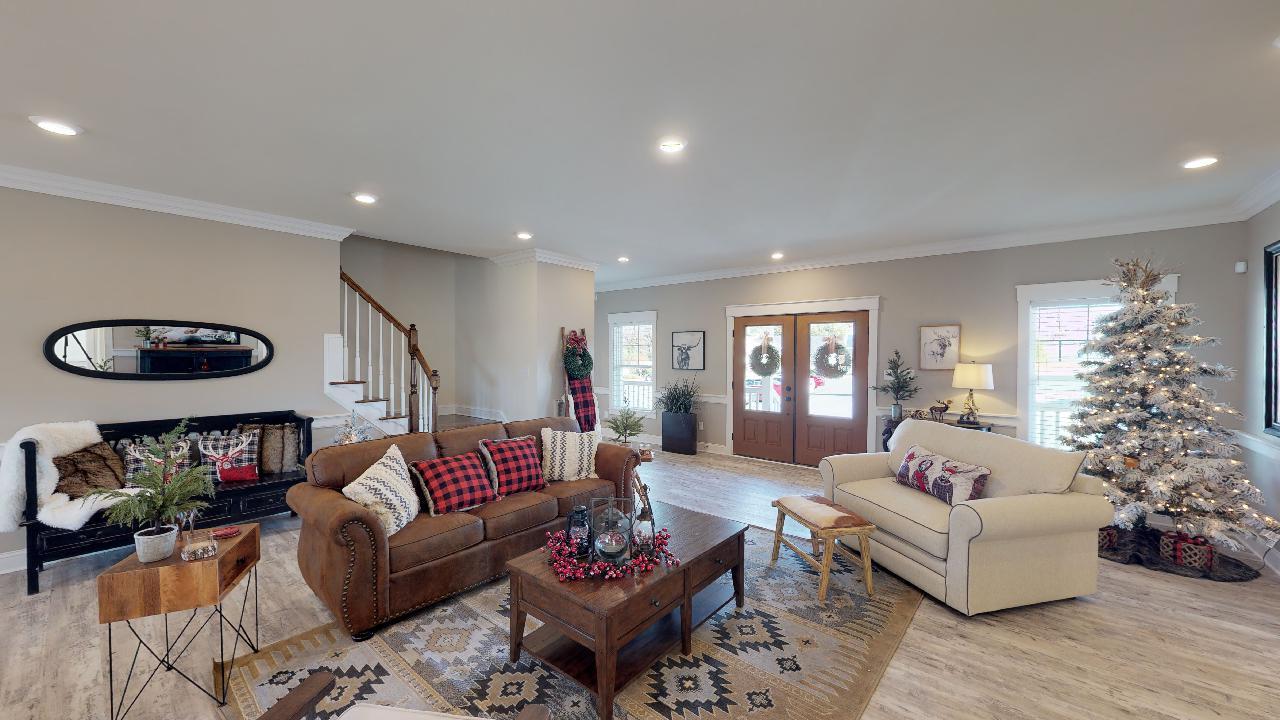
Finding the perfect piece of land is an exciting first step toward building your dream home. Whether you're imagining a peaceful retreat in the countryside or a home close to family and friends, choosing the right property can make all the difference. However, buying land for a modular home involves more than finding a location you love. From zoning regulations and utilities to site preparation and construction costs, there are several important factors to consider before making your purchase.
At Carolina Custom Homes of Burlington, we understand that building a new home is a significant investment, and we're here to help you navigate the process with confidence. If you're considering building a modular home in North Carolina, call us at 336-226-9066 to learn more about getting started.
1. Understand Local Zoning and Building Regulations
Before purchasing property, it's important to confirm that you can build the type of home you want on the land. Zoning regulations vary by county and municipality, and certain properties may have restrictions that affect residential construction.
When researching zoning requirements for modular homes, you'll want to consider factors such as minimum home sizes, property setbacks, land use restrictions, and any neighborhood covenants that may apply.
One important distinction is that modular homes are built to applicable state and local building codes, unlike manufactured homes, which follow a separate federal construction standard. However, meeting building code requirements doesn't automatically mean a home can be placed on any property.
We recommend contacting the local planning or zoning department before purchasing land to confirm that your intended home is permitted. Taking this step early can help you avoid unexpected challenges once you're ready to build.
2. Evaluate the Property's Terrain and Accessibility
A beautiful piece of land may seem like the perfect location, but its physical characteristics can significantly affect the building process. Understanding the land requirements for modular homes can help you determine whether a property is suitable for your new home.
Before purchasing land, there are several important factors to evaluate:
- Slope and Grading: Is the property relatively level, or will extensive grading be needed to prepare it for construction?
- Drainage: Does the property have areas where water collects or drainage issues that could affect your future home?
- Trees and Vegetation: Will trees, brush, or other natural obstacles need to be removed before construction begins?
- Road Access: Are the roads and driveway wide enough to accommodate delivery trucks and construction equipment?
- Space for Installation: Is there sufficient room for cranes and other equipment to safely position the modular home sections on the foundation?
Accessibility is particularly important because modular homes are constructed in sections and transported to the building site. Narrow roads, sharp turns, low-hanging power lines, and steep driveways can create challenges during delivery.
Before committing to a property, we encourage buyers to consider how construction crews and equipment will reach the building location. Identifying potential obstacles ahead of time can help prevent delays and additional expenses.
3. Check Utility Availability and Connection Requirements
When evaluating a property, it's easy to focus on the land itself and overlook the infrastructure needed to make a home comfortable and functional.
Understanding the availability of utilities for modular home construction is an essential part of the planning process.
Some properties, particularly those in established neighborhoods, may already have access to public water, sewer, and electricity. Others, especially in rural areas of North Carolina, may require additional installations.
Before purchasing land, consider the availability of:
- Electricity: Determine whether electrical service is available nearby and what may be required to connect your home.
- Water: Find out whether the property has access to a municipal water supply or will require a private well.
- Sewer or Septic: Confirm whether public sewer service is available or whether a septic system will be necessary.
- Internet and Communications: Research service providers in the area, particularly if you work from home or rely on a dependable internet connection.
The distance between the property and existing utility infrastructure can affect installation costs. For example, extending electrical lines or installing a well and septic system may add expenses that aren't immediately obvious when viewing the land.
We recommend contacting local utility providers to learn more about service availability, installation requirements, and potential costs before finalizing your purchase.
4. Consider Soil Testing, Septic Systems, and Drainage
What lies beneath the surface of a property can be just as important as what you see above ground.
Soil conditions, drainage patterns, and wastewater disposal options can all influence whether a piece of land is appropriate for residential construction. When preparing land for a modular home, these factors deserve careful attention.
If the property doesn't have access to public sewer service, you'll likely need a septic system. In North Carolina, the suitability of a property for an onsite wastewater system depends on several factors, including soil characteristics, available space, and site conditions.
A septic evaluation through the appropriate local authority can help determine whether a proposed system is feasible. Depending on the property and project, additional soil investigations may also be necessary to evaluate foundation conditions.
Drainage is another consideration. Properties that collect standing water or experience significant runoff may require grading or drainage improvements to help protect the home and surrounding landscape.
It's also worth checking whether any portion of the property falls within a designated flood hazard area.
Taking the time to investigate these conditions before purchasing land can help you make a more informed decision and reduce the likelihood of costly surprises.
5. Understand Foundation and Site Preparation Requirements
Once you've identified a suitable property, the next step is understanding what needs to happen before construction can begin.
Modular home site preparation involves creating a safe, accessible, and properly prepared location for your new home. Depending on the property, this process may include clearing vegetation, grading the land, establishing driveway access, and preparing for utility connections.
One of the most important components is the foundation.
Modular home foundation requirements depend on factors such as the home's design, local building codes, soil conditions, and site characteristics. Modular homes are installed on permanent foundations designed to support the structure.
Common foundation options may include crawl spaces or basements, depending on the home and property.
Before installation, the foundation must be properly constructed and ready to receive the modular sections. Careful coordination between site preparation, foundation work, and home delivery is essential for keeping the project moving forward.
At Carolina Custom Homes of Burlington, we know that the work happening before a home arrives is an important part of the overall building process. Understanding these steps early can help you establish realistic expectations for your project.
6. Budget for More Than the Purchase Price of the Land
Finding a property within your budget is important, but the purchase price is only one part of the overall investment.
When planning your new home, it's essential to consider the expenses associated with preparing the property for construction.
Depending on the location and condition of the land, additional costs may include:
- Property surveys and required permits
- Tree removal and land clearing
- Excavation, grading, and drainage improvements
- Foundation construction
- Driveway and access road installation
- Electrical and water connections
- Well and septic system installation
- Required inspections and site assessments
These expenses can vary considerably from one property to another.
For example, a relatively level lot with existing utility connections may require less development work than a heavily wooded rural property without established access or infrastructure.
We encourage prospective homeowners to look at the total cost of the project rather than evaluating the land purchase separately from construction.
It's also wise to build some flexibility into your budget for unexpected site conditions or additional work that may be identified during the planning process.
By researching potential expenses early, you'll be better prepared to make decisions that align with your financial goals.
7. Work With an Experienced Modular Home Builder Early
One of the best decisions you can make when planning a new home is to involve an experienced builder early in the process.
Building a modular home in North Carolina requires coordination between several important stages, including property evaluation, site preparation, permitting, foundation construction, home delivery, and final installation.
While every property and project is different, working with a knowledgeable builder can help you better understand what to expect along the way.
An experienced modular home builder can discuss general site considerations, explain the construction process, and help you identify questions to ask before purchasing land.
This early guidance can be especially valuable if you're purchasing property for the first time or considering a rural location with additional development needs.
Rather than waiting until after you've purchased land to begin exploring your options, we encourage you to start conversations about your homebuilding goals as early as possible.
The more information you have upfront, the more confidently you can move toward the next stage of your journey.
Why Choose Carolina Custom Homes of Burlington?
At Carolina Custom Homes of Burlington, we believe building a new home should be an exciting and rewarding experience. As a family-owned modular home builder serving Burlington and surrounding North Carolina communities, we're committed to helping our customers create homes that fit their lifestyles, preferences, and goals.
When you choose to work with our team, you'll benefit from several advantages.
Experience You Can Count On
Our experience in modular home construction allows us to help customers better understand the building process, from early planning through the completion of their new home. We know there are many decisions involved, and we're here to answer questions and provide guidance along the way.
Customization to Fit Your Lifestyle
Your home should reflect the way you live. We offer customizable modular homes with options that allow you to personalize your space according to your needs and preferences. Whether you're planning a home for a growing family or looking for a comfortable place to enjoy retirement, we'll help you explore possibilities that make sense for you.
Can my property affect which modular home I choose?
Your homesite is an important part of planning a new home. Property characteristics can affect different aspects of a project, so it’s helpful to consider both the home and the land as you move through the planning process.
Dedicated In-House Service Team
Our commitment to our customers extends beyond the initial building process. With our own in-house service team, we're able to provide more direct support and help reduce wait times when service needs arise.
Local Knowledge and Personalized Attention
As a family-owned business, we value the relationships we build with our customers. We take pride in serving homeowners throughout Burlington and the surrounding region, offering personalized attention and a team that's invested in helping you achieve your homeownership goals.
From answering your initial questions to helping you understand the next steps, we're here to make your modular homebuilding experience as straightforward and enjoyable as possible.
Ready to Take the Next Step? Let's Build Your Future Together!
Buying land for a modular home is an exciting opportunity to create a place that's truly your own. However, choosing the right property requires careful consideration of zoning regulations, terrain, accessibility, utilities, foundation requirements, and overall development costs.
By researching these factors before purchasing land, you can make informed decisions, establish a more realistic budget, and prepare for a smoother building experience.
At Carolina Custom Homes of Burlington, we're passionate about helping North Carolina families turn their homeownership dreams into reality. Whether you're just beginning to search for land or already have property in mind, our team is ready to help you explore your options and understand the modular home-building process.
Ready to get started? Call Carolina Custom Homes of Burlington at 336-226-9066 today! We'd love to hear about your plans and help you take the next step toward a beautiful new home.
Be sure to follow us on Facebook and Instagram for home inspiration, behind-the-scenes looks at our builds, and the latest updates from Carolina Custom Homes of Burlington!